Showing posts with label More Nature Study #4. Show all posts

Friday, July 27, 2012

OHC More Nature Study Book #4 - Monarch Butterflies

Monarch Butterfly Button  
More Nature Study Book #4
Summer Butterfly - Monarch Study

Inside Preparation Work:
  • Read pages 305-310 (Lesson 71) in the Handbook of Nature Study. Anna Botsford Comstock really knew her insects so this section is rich with information for your Monarch butterfly study. She breaks the observation suggestions down into categories: The Butterfly, The Caterpillar, and The Chrysalis. Read through the information and highlight any ideas you plan to incorporate into your Monarch butterfly study.
  • YouTube: Monarch Migration (Journey North and Monarch Watch): Part 1 and Part 2. For West Coast families, you can watch this YouTube of Monarchs overwintering in Pacific Grove, CA.
  • Highly Recommend: Your Backyard The Life and Journey of the Amazing Monarch Butterfly -Read my review HERE. There is also a study guide that you read more about HERE.
  • You may be interested in reading through or completing the Outdoor Hour Challenge for Milkweed along with this Monarch Butterfly Challenge.
Outdoor Hour Time:
  • Take fifteen minutes outdoors for this challenge looking for Monarch butterflies (or any other insect). Remember that depending on your location and the time of year you may look for a chrysalis, a caterpillar, or the adult butterfly. Monarchs will be found near their food source of milkweed.
  • Alternate activity: Acquire some milkweed seeds and plant some in your garden.
  • Advanced study: If you live in an area that has monarch butterflies, consider joining Monarch Watch (link below) and participate in the Monarch tagging activity.
Follow-Up Activity:
  • Butterflies always are exciting to observe. Use the suggestions from the Handbook of Nature Study lesson to take a closer look at any butterflies you find. If your child has more questions about insects, consider reading pages 294-300 in the Handbook of Nature Study. This general section on insects may give you some answers.
  • Complete a nature journal entry. Advanced students can use a field guide to gather more facts or record the butterfly’s life cycle on a notebook page.
  • Advanced study: Conduct additional research on the insect order– Lepidoptera. Use a field guide and complete two additional nature journal entries for insects in this order found in your backyard or local area.
Additional Links:
  • Monarch Watch—Migration and Tagging
  • Journey North—treasure of a website for you to use in preparation or to answer questions. The page with Kid’s Resources has links to slideshows and printable booklets that you can share with your children. 
Suggested Resources to view or print:

More Nature Study #4 Cover image
All the summer challenges for 2012 are included in the new More Nature Study Book #4 Summer Sizzle ebook. The challenges in the ebook are the same challenges that will post every Friday here on my blog. If you want to follow along with notebook pages and coloring pages, click over and learn more about the ebook.

Wednesday, July 25, 2012

Monsoon Moisture - Our Summer Weather Study

Summer Monsoon Moisture
I captured this image of the clouds at sunset last night coming in off the lake. Gorgeous!

Summer in our part of Northern California is HOT and DRY!

But, occasionally we get the weather phenomenon called "monsoon moisture" which really means that the storms come from the Gulf of California and are tropical in nature, reaching up into the mountains of Northern California with moisture and thunderstorms. (That is my very non-technical explanation of monsoon moisture.) We are going to be using this topic as the advanced study portion of the Summer Weather Challenge.
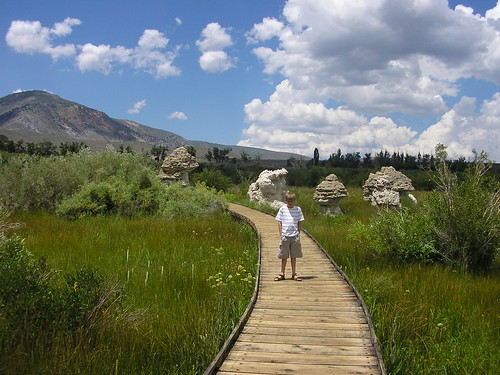
Mr B with rock tufa at Mono Lake
Monsoon Moisture in the eastern Sierra Nevada at Mono Lake 2006
When this happens, we see quite an interesting buffet of weather activity:
1. Scattered afternoon thunderstorms
2. Down pours of rain
3. Gusty high winds
4. Beautiful clouds (especially at sunset)
5. Increased fire danger because of the chance of dry lightning (no rain)

After an monsoon weather event, the air is sticky with warm moist air. The plants and trees are refreshed, the dry leaves swept away, and the air just smells so nice and fresh.

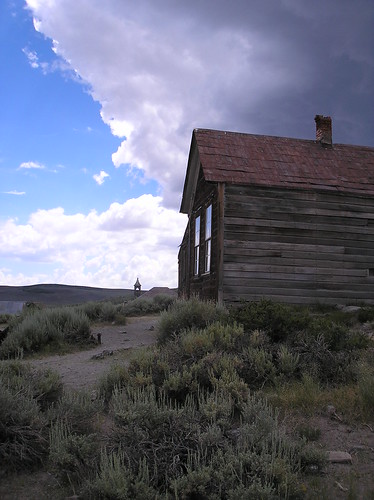
Reflecting windows and blue sky Bodie
Monsoon Moisture - Bodie State Park,  Eastern Sierra Nevada 2006. We got very wet in the rainstorm that came shortly after taking this photo!
We had such an even last night which will give us an account to share as part of the Summer Weather Challenge in the More Nature Study series. It was really hot at bedtime so we decided to sleep out on the back deck under the stars. It started off fairly innocently with a few wisps of clouds slowly moving across the sky blocking out the stars. Then the wind started to gust and the first flashes of lightning came quickly one after the other. The rumble of the thunder was in the distance. No problem my husband said...he thought it was just going to be a dry lightning event where there is no rain associated with the storm.

Boy, was he wrong!

By 11 PM the lightning, thunder, wind, and rain hit with full force. The wind chimes were ringing constantly and we decided we better give up the idea of sleeping outside. This kind of weather is fairly normal for our area in the summer and we have a couple of these storms usually in July or August. What turned this into an unusual event was the length of the storm. We still were having lightning, thunder, wind, and rain until at least 4 AM. It was a restless night for all of us as we kept getting up to peer out the windows and doors at the awesome display of power in this storm.

July Bouquet
The garden still had plenty of beautiful flowers for a bouquet this morning.

The power went out for a short time but all in all there was little other inconvenience from the storm. Today the sun rose and warmed the air and made us all feel welcome. The windows were opened and the fans turned on to drive away the humidity a bit.

Right on time for our Summer Weather Challenge!

Here are a few of our other summer weather entries:
Summer Weather 2011 - Can You Say HOT?
Summer Weather Sunrise/Sunset Observations 2010

Friday, July 13, 2012

OHC More Nature Study Book #4: Turtles and Duckweed

Turtle Study Button
More Nature Study Book #4 
Summer Pond Study: Turtles and Pondweed 

Inside Preparation Work:
  • Read in the Handbook of Nature Study about Turtles on pages 204-209 (Lesson 52). Also read about Pondweed on pages 498-500 (Lesson 130).
  • Ebook Users: Use the Pond Study Cross-section Notebook page as a way to generate interest for this challenge. You can complete the page during your outdoor time if you would like. Here is a link to something similar online: Pond Habitat.
  • Advanced Study: Pond Life– Watch this YouTube on Wetlands/Ponds. View and read in the Handbook of Nature Study pages 400-403 (Lesson 102). Use this information as you make your observations at your local pond. Here is another idea for the field: Guide to Pond Dipping.
Outdoor Hour Time:
  • Look for opportunities to spend your outdoor hour time at a pond. Ponds are a center of many nature study opportunities. Let your child lead your pond time (with your careful supervision).
  • Use the ideas from the lessons in the Handbook of Nature Study to observe closely any turtles or pondweed that you find. Make sure to keep an eye out for anything of interest that you can follow up with in the Handbook of Nature Study (see the box below for more ideas for your pond study).
Follow-Up Activity:
  • Follow-up with any interest that you found during your pond study. Use the Handbook of Nature Study as a reference for any additional subjects that came up. Make a nature journal entry for your turtle or pondweed. Ebook Users: There are two coloring pages to use in your nature journal: Pond Turtle and Box Turtle.
  • Advanced Study: You can research individual turtles for you nature journal. Use this website for more information: Turtles and Tortoises of the United States.
  • Advanced Study: Use the information from the Wetlands/Ponds video and create your own pond life images. You can record any pond dwellers in your nature journal. Ebook Users: There is also an additional notebook page to use if you have more to record.
Additional links:

Western Pond Turtle Project on YouTube.com
Painted Turtle Digging a Hole to Lay Eggs on YouTube.com
Painted Turtles in a tank habitat on YouTube.com—Nice way to see the turtles eating...just like a field trip to a zoo.
My Pond Study page on Squidoo.com.

As a bonus for this challenge I am including the Summer Pond Study notebook page and the Pond Study Grid from the August 2011 Newsletter!

More Nature Study #4 Cover image

All the summer challenges for 2012 are included in the new More Nature Study Book #4 Summer Sizzle ebook. The challenges in the ebook are the same challenges that will post every Friday here on my blog. If you want to follow along with notebook pages and coloring pages, click over and learn more about the ebook.




Wednesday, July 11, 2012

Summer Bird Study - Hummingbirds

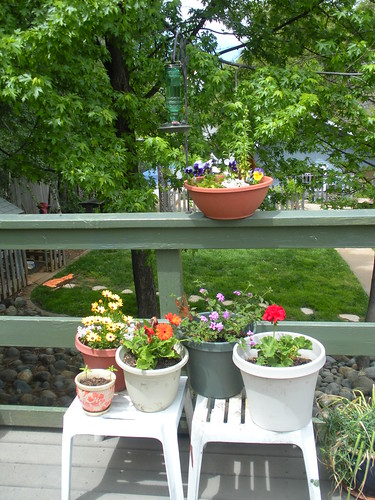
Hummingbird Feeder and Potted Plants
This is our busiest hummingbird feeder. They also like the flowers in the pots.

We love hummingbirds. I think we pay more attention to the hummingbirds in our yard than any other bird. They are constantly at our feeders, in our garden flowers, and flying around...front yard and backyard.

There are at least three in our yard at all times, competing for the feeders and flying fast. They sit in the trees and chirp at us when we eat dinner on the back deck. They are not afraid of us when we are out in the backyard and frequently will fly right up by us as we work in the yard.

They are year round residents.

Annas Hummingbird Notebook Page
Notebook page from More Nature Study Book #4

What aspect did we focus on this time in our hummingbird study as part of the More Nature Study Book #4 Hummingbird Challenge? We started off asking questions about their feathers and how in a certain light they are very green and in then in another light they are bright red. What makes them iridescent? But then we got side-tracked asking why the Anna's hummingbird chases the Black Headed Grosbeaks out of the seed feeders. I mean they are aggressively chasing them far out of the yard. Our field guide says they defend a 1/4 acre territory. We haven't found the concrete answer to our questions yet but we have some guesses.

Swallowtail on the Butterfly Bush
Maybe Flutter is like this butterfly and has an injured wing.

Also, we were fascinated this week by one hummingbird in particular. We call him "Flutter". He has a unusual sound to his flying. Most of the birds have the familiar "hum" to their wings and the Anna's Hummingbird make a clicking sound as well. But Flutter sounds like he has a bum wing...like it is not beating like the other birds. It sounds like a fluttering instead of a humming, if that makes sense. We have yet to catch him with the camera because our thought is that if we can take a photo and take a look at his wing shape, maybe he has some sort of injury.

Moonshine Yarrow
Moonshine Yarrow - We water this once a week.

One last thing to relate about our hummingbirds this week. I was out in the yard using the hose to water a few of the bushes since it has been extremely hot and dry. I had the hose in a fine sort of mist and in the shape of an arc. Well, a hummingbird decided that it was the perfect place to fly in and out as he took a bath! It was amazing to watch and I am hoping I get to see it again some day. Our hummingbirds are quite comfortable with us right now and they will fly right up behind you and visit the feeder even if you are inches from them.


OHC Blog Carnival


Don't forget to send in your Outdoor Hour Challenge Blog Carnival entries for the month of July. All entries using the OHC completed in July are eligible for the carnival. You can click the button and submit using the form on the Blog Carnival website.

Thanks for all your support!


Friday, July 6, 2012

OHC More Nature Study Book #4: Hummingbirds and Nests

Hummingbird Challenge - Button

More Nature Study Book #4
Hummingbird Study - Summer Birds

This week is bird watching week!
You may find that your family likes birds so much that you decide to keep a running list of birds you see this summer. You can see Outdoor Hour Challenge #5-Keeping a List for more ideas. You can print a notebook page to record your birds or use your nature journal. 

Here is a video that will inspire you to start your own hummingbird feeder station in your yard:
Hummingbird Station

  
Inside Preparation Work:
  • Read pages 115-117 (Lesson 29) in the Handbook of Nature Study. There is also a section on pages 46-47 (Lesson 7) that focuses on The Study of Birds’ Nests in Winter. Read for information and highlight questions you can use in the future when you observe a bird’s nest.
  • You absolutely must watch this video of a Hummingbird Building a Nest. Most of us will never experience this in person so a video is the next best thing! You can also read the previous Outdoor Hour Challenge for Hummingbirds where we focused on their beaks. Read online: Burgess Bird Book for Children: A Butcher and a Hummer.
  • Advanced Study: Use a local field guide to familiarize yourself with birds you may see in your neighborhood. You can also use this tool on the Great Backyard Bird Count: Explore Results By Location. Enter your town and the site will generate a list of birds seen during the count. Note that you may see different birds during the summer months but it will give a starting point to use with your field guide. Ebook Users: Print several of the Bird Nature Study Observations sheets included with the ebook (used with permission from HeartsandTrees).

Outdoor Hour Time:
  • Take your outdoor time for this challenge early in the day and look for birds before it is too hot. If you have hummingbirds in your neighborhood, spend some time observing their behavior. Watch for any birds that visit your yard or at your feeder. Compare any birds you have to the hummingbird: size, beak, tail, food, color, flight.
  • Advanced Study: Ebook Users: Use the Bird Observation sheets included with the ebook to make a careful study of any backyard birds you view for this challenge.
Follow-Up Activities:
  • Use a field guide to identify any birds you observed during your outdoor time. Complete a nature journal entry for any bird you observed. If you would like to complete a notebook page for hummingbirds, the NotebookingFairy has some very simple free pages for you to print.
  • Advanced Study: Complete a nature journal entry for a hummingbird you have in your local area. Use a field guide for more information. Ebook Users: There is also a notebook page in the ebook for recording more nest and beak information.
Additional Links:
YouTube: Hummingbird Chirp
YouTube: Mama Hummingbird feeds her Babies (in the nest)

Nests and Beaks Links for the Notebook Page:
AllAboutBirds—Scroll down to Nesting


More Nature Study #4 Cover image
All the summer challenges for 2012 are included in the new More Nature Study Book #4 Summer Sizzle ebook. The challenges in the ebook are the same challenges that will post every Friday here on my blog. If you want to follow along with notebook pages and coloring pages, click over and learn more about the ebook.


Tuesday, July 3, 2012

Not Quite Sand Nature Study - Creek Gravel and Rocks

Creek at Markleeville with Poppies
Creek with Poppies and Sweet Peas

We have not made it to the ocean yet this summer. We have big plans to go later this month but we had the opportunity to do some dirt, gravel, and sand gathering this past weekend up in the Sierra Nevada. We took a day trip to Grover Hot Springs State Park which is a complete blog entry all on its own. I will save that for later in the week.

For this post I will share a little of our nature study using the Outdoor Hour Challenge for Sand and Soil from the Summer Sizzle ebook series. We used the creek running next to the picnic area to enjoy some rock, sand, and gravel observation time. This is an interesting geological area which we are planning on going back to explore some more.

Creek at Grover Hot Springs- Gravel
This was a creek that meanders a bit and we tried to find some animal prints but we had no luck. There wasn't much sand on the banks but it was more like gravel or pebbles. There were little fish and lots of insect larvae in the small pools along the banks.

Creek at Grover Hot Springs
The creek was very shallow and perfect for sticking hot toes in while you explore the smooth rocks of varied colors.

Gathering Dirt and Gravel
We used an empty water bottle to collect a bit of "dirt" which is mostly decomposed granite gravel and a bit of the "soil". My hubby found that doing this left his hands super dirty with a fine dusting of soil. He of course used this as an excuse to wash his hands in a waterfall.

I am going to wait until after our beach excursion to do the up close observation with the hand lens, having Mr. B compare the dirt we collected from the creek with the sand we collect from the ocean beach. I think this will make it a bit more interesting and give him something to record in his nature journal.

Grover Hot Springs - Split Rock
Summer nature study is at its best when you can combine it with an outdoor family adventure. It becomes just an extension of what you do to make your time outdoors more enriching. We didn't take nature journals or field guides this time but the atmosphere was one where we were always alert to find something interesting.

Like the rock in the photo above....just one of the many interesting rocks that we saw on the hiking part of our day. We also saw some wildflowers, a few butterflies, heard and observed quite a number of birds,  and ended up sitting in the natural hot springs. Yes, this was a great day....more soon!


Here is a wonderful idea for taking a closer look at your soil samples! I think you could make your own sifter with kitchen or thrift shop objects. I have an old window screen that I may cut and put in a cardboard frame to sift our sand and soil samples. If you make a sifter, send me a link to a photo or entry and I would love to share it in the next newsletter.


Summer Photo Challenge
Don't forget the Summer Photo Challenge! Here are the details and here is the Pinterest Board. 

Friday, June 29, 2012

OHC More Nature Study Book #4 - Mouse Study

Summer Mammal Button

More Nature Study Book #4
Summer Mammal Study - Mouse

Inside Preparation Work:
Outdoor Hour Time:
  • This is one of those challenges that is hard to plan ahead of time for direct observation of the topic. If you have access to a real mouse to observe, use the suggestions for the lesson in the Handbook of Nature Study.
  • If you don’t have access to a mouse, use your outdoor time to observe any mammal and compare it using information you know about a mouse: teeth, feet, tail, color, size, behavior, diet.
  • Remember: You are always successful in the Outdoor Hour Challenge if you take time to be outside with your children for a few minutes each week. You can use your outdoor time this week to sit on a blanket in the shade, read about mice, and then make a few notes in your nature journal. Snacks are always welcome during the Outdoor Hour Challenge as well and you can see OHC Challenge #10 for more ideas for a nature study/picnic activity.
Follow-Up Activity:
  • Complete a nature journal entry with any information you learned from your mouse study. You can sketch any signs of mice that you observed in your yard like tracks, scat, or a mouse hole. You can also click this link, click and print the image of the house mouse to include in your notebook: Nature.CA—House Mouse or you can color the page for the Whitefooted Mouse in this ebook.
  • If you observed any other mammal and would like to follow-up with more nature study, you can check the list of previous mammal Outdoor Hour Challenges for more information using the Handbook of Nature Study. You may wish to use the free Mammal Notebook Page available on my blog.
  • Advanced Study: Research the Rodentia order and the Muridae family. Record your results in your nature journal.
Additional Links:
More Helpful Links:
Owl Pellet Bone Chart (free printable)

More Nature Study #4 Cover image
If you haven't taken my Handbook of Nature Study survey yet, I would greatly appreciate a few minutes of your time to give your thoughts on the direction of the Outdoor Hour Challenge. Thank you for your input!

Handbook of Nature Study Survey


All the summer challenges for 2012 are included in the new More Nature Study Book #4 Summer Sizzle ebook. The challenges in the ebook are the same challenges that will post every Friday here on my blog. If you want to follow along with notebook pages and coloring pages, click over and learn more about the ebook.


Friday, June 22, 2012

OHC More Nature Study Book 4 Summer Sand and Soil


A Grain of Sand video on YouTube.com

More Nature Study Book #4
Summer Sizzle
Sand and Soil


Inside Preparation Work:
  • Read the Handbook of Nature Study pages 760-764 (Lesson 216). (Note this section was not written by Anna Botsford Comstock.) Focus on the section, Kinds of Soil, on page 763. The information in the lesson will give you some ideas for collecting soil samples and then using suggestions #1-6 make plans for your outdoor time.
  • Read the instructions for conducting a soil experiment in the ebook or at this link: Dirt Discovery. This experiment might be interesting to do with samples of soil, sand, and gravel from various places.
  • Optional videos: PBS Kids: Rivers. Sand Under a Microscope (older students).
Outdoor Hour Time:
  • Find a place outside in your backyard, at a pond, river bank, or at the sandy shore to take your outdoor hour observing soil, sand, and/or gravel. Collect some samples to use in your soil experiment. Materials needed: Clear plastic container with a lid like a peanut butter jar or mayonnaise jar, small trowel, pen for labeling collection location if you do more than one. (Supervise children whenever you are near water.)
  • If you have a sandy beach, gather a sample of sand to bring home to use in your follow-up time. We use small containers like Altoid tins, old film canisters, or Tic-Tac boxes to collect small amounts of sand for our nature table. Make sure to label the container with the location of the collection site.
  • Make sure to allow plenty of time for unstructured time outdoors enjoying the summer sunshine. Please supervise your children carefully wherever water is present.
Follow-Up Activity:
  • Complete the What is Sand? activity from this website. (Materials needed: Sand, black and white paper, magnifying lens, and magnet)
  • Start and observe your Soil Experiment, recording your observations in your nature journal or on the notebook page in the ebook. If you collected more than one sample, make sure to include comparisons you find as the soil and other materials settle. 
  • Alternate activity: Carefully observe your sand or soil with a hand lens, looking for living, non-living, and man-made components.
  • Advanced Study: What is Sand Made Of? Use these images or additional ones to examine your local sand. Try to determine what your sand is made of and record your results in your nature journal.

Image from Adam Hally on Flickr


Additional Links:
  • Mud Painting! - Gather some dirt, water, brushes, and paper and make your own mud paintings for your garden. Some instructions can be found HERE. This would make an interesting nature journal entry. You could collect mud from various places and put a little mud painting sample of each color in your journal.
  • The image above is from a sand collector. If you click the image it will take you to Flickr where the bottles are labeled with the place the sand was collected.
Don't forget that tomorrow is the Great American Backyard Campout!
Check out the Camping with Kids Link-Up for some wonderful family oriented ideas.

Great American Backyard Campout

Tuesday, June 19, 2012

Summer Tree Study - Following Up on Cottonwoods

This week we were determined to complete our Cottonwood Tree Study as part of the Outdoor Hour Challenge. It is hard to get motivated when it is really hot outside but we persevered....most of our study was indoors anyway so we had no real excuse. Once we started it was very enjoyable, gleaning much from our reading in the Handbook of Nature Study and then direct observation.

Our neighbor had a cottonwood tree in their front yard until a few years ago when they cut it down to make room for some other landscaping. I remember there were certain times of years I did enjoy having that tree next door. It was MESSY. The "cotton" would cover our deck and yard as it blew over in our direction.

So without a specimen nearby, we had to travel across town to view another cottonwood tree that I noticed along the edge of a big field. It really is a very pretty tree with a nice shape and growing sort of tall. The trunk is easy to recognize once you know what to look for.

Cottonwood
My treasures from my walk at Anna Comstock's cottage.

We had the chance to observe a cottonwood tree when we visited Anna Comstock's cabin in New York last May. I gathered a bit of cotton to include in my nature journal. I wrapped it up in a paper towel and folded into the front of my journal for safe keeping. We took the opportunity with this challenge to examine the cotton closely.

Cottonwood seeds up close
We examined the seeds with our magnifying lens and it was truly amazing to see the structure of this catkin with its seeds.
"The little pointed pods open into two or more valves and set free the seeds, which are provided with a fluff of pappus to sail them off on the breeze; so many of the seeds develop that every object in the neighborhood is covered with their fuzz..." Handbook of Nature Study, page 656
Pappus was a new word to us so we looked it up. A pappus is the flower-like structure on the top of the akene. (Remember your dandelion study?) You can see a variety of kinds of pappus on this website: Who's Your Pappus? I also found information at the bottom of this page on Backyard Nature. I need to add the word to my journal entry so I don't forget it.


Cottonwood study Nature Journal
My new nature journal has a larger page size and I am finding it more difficult to work in.

So here is my journal after I finished with it. I found an envelope (glassine envelopes for scrapbooks) for the cottonwood seed fluff sample and the pressed flower that I had collected from the woods. I watercolored around the edges to give it some color and used my metallic gel pens to make a title. I printed a photo of the cottonwood cotton since it is a part of the memory of that early morning walk that I will treasure for a long time to come.

We are going to go back to our local cottonwood tree and take photos for the Summer Photo Challenge and as a guide for our watercolor project for the week.  Mr. B is working on his notebook page from the More Nature Study Book 4 challenge using his field guide for the cottonwood tree. We think ours is a Black Cottonwood so he is doing the research on that species for his challenge.

Another great tree challenge to add to our nature journals...hope to see some of your trees in the upcoming Outdoor Hour Challenge Blog Carnival. Remember that every entry into the June Newsletter carnival is an entry to win the Your Backyard Monarch Butterfly DVD and Study Guide. Last day to submit your entries is June 29, 2012.
OHC Blog Carnival
Don't forget the Great American Backyard Campout!

Great American Backyard Campout
And my Camping With Kids link-up from yesterday.


Friday, June 15, 2012

OHC More Nature Study Book #4 - Cottonwood Tree

Cottonwood Tree Button 
More Nature Study Book #4 
Summer Sizzle
Cottonwood Tree

Inside Preparation Work:
Outdoor Hour Time:
  • Spend your outdoor time for this challenge looking at trees and discussing the differences between winter and summer trees. Cottonwood trees can be found in sunny locations, near streams and bottom lands. In the summer their leaves rustle in the breeze. Make careful observations of the leaves. If you don’t have a cottonwood or aspen tree to observe in person, make summertime observations of any tree you have in your yard or neighborhood.
  • Advanced study: Make field sketches of your cottonwood tree: shape of the tree (canopy), the bark, the leaves.
Follow-Up Activity:
  • Follow up your outdoor time with a nature journal (perhaps completed outdoors under a tree). This might be a good time to share a few points about the cottonwood tree including why it is called a cottonwood. Ebook Users: There are coloring pages for the Eastern Cottonwood and the Quaking Aspen if you desire. You can use the Summer Tree Notebook Page for your journal entry if you wish.
  • Summer time is a great time to bring your watercolors outdoors and for this challenge you could try making paintings of your summer tree or some summer leaves. You can also press leaves for your nature journal.
  • Advanced Study: Complete a nature journal for your cottonwood tree. Find four summer tree leaves and make careful observations and sketches in your nature journal. Make sure to label your shape, leaf margins, and venation.
Additional Links:
Poplar tree in all four seasons—fun look at a group of poplars
YouTube: Eastern Cottonwood (excellent video). Quaking Aspen.

Updated 6/19/12: Here is our Cottonwood Tree entry.


More Nature Study #4 Cover image


All the summer challenges for 2012 are included in the new More Nature Study Book #4 Summer Sizzle ebook. The challenges in the ebook are the same challenges that will post every Friday here on my blog. If you want to follow along with notebook pages and coloring pages, click over and learn more about the ebook.


Wednesday, June 13, 2012

Chasing Yellow Jackets - Our Summer Nature Study Begins

Yellow Jackets and Mud Daubers - Summer Insect Study

I made a call to my dad who I know always has wasp nests around his property. Of course, he didn't know I was going to be wanting to see his nests so he had cleaned them all out a few days ago. Sigh. I was so discouraged because I wasn't aware of any nests at our house.

Yellow Jacket Trap

I mentioned this to Mr. B and he immediately knew where there was the beginnings of a nest up in the eaves of our patio. Wahoo! I was excited and he thought I was nuts. I asked him to bring over a ladder so we could climb up and get a good view and he was not thrilled about the prospect of getting up close to the nest. It is an active nest and he has been stung before and know that they hurt. I told him I would do the climbing and take a few quick photos.

Paper Wasp  Nest

We decided after some investigation that this is a paper wasp nest and not a yellow jacket nest. Paper wasps have open celled hanging nests and yellow jackets are usually subterranean or enclosed.

This was an amazing structure and it is only because of the information in the Handbook of Nature Study that we were moved to peer closely at this insect's home. 

We found this webpage to be helpful: Wasps, Yellow jackets, and Hornets.


Yellow Jacket
We have found several other insects that we think are yellow jackets so this study will be on-going as we move through the summer and into our picnic season. In our part of the country we often times call yellow jackets by another name, meat bee. I thought this was because they always come around when we have a burger on our plates but after some reading online I learned it is because they ofter eat other insects (hence the reference to meat?).

Harlequin Bug Eggs
On another insect note from the week, we found these interesting eggs on the backside of the hydrangea leaves. We identified them as harlequin bug eggs. I can't get over how each creature is as unique from the very beginning as they are as adults. We were able to ID this bug from the tiniest details on the eggs. Amazing.

What a great start to our summer nature study! We posted our first photo in the Summer Photo Challenge: Cricket! Everyone is welcome to join the photo challenge at any time.

OHC Blog Carnival

Also, don't forget to submit your blog entries to the Outdoor Hour Challenge Blog Carnival. Every entry this month is an entry into the Your Backyard Monarch Butterfly Giveaway as announced in the June Newsletter. Take advantage of the time to get outside with your children this month, even if it is just a few minutes and you follow your child's lead. Keep it simple and enjoy it!

More Nature Study #4 Cover image

You can see one of my dad's paper wasp nests in this entry: Paper Wasps

Friday, June 8, 2012

OHC More Nature Study Book #4- Yellow Jackets and Mud Daubers

Welcome to the More Nature Study Book #4 series of summer nature study challenges!

This is going to be a jam-packed summer of nature study using the challenges and the newsletter suggestions. Our family is looking forward to spending time outdoors together as we focus on the various aspects of summer nature study...including a trip to the ocean and to a local pond. I encourage all to join in and learn more about your local nature habitat as well as those you may encounter during your summer travels.

Summer Insect Yellow Jacket button
More Nature Study Book #4
Summer Sizzle
Yellow Jackets and Mud Daubers Insect Study

Inside Preparation Work
Outdoor Hour Time:
  • Spend some time outdoors this week looking for summer insects. If you spot a mud dauber, the Handbook of Nature Study says the “purpose of this study is to watch the mud daubers while building their nests and capturing their prey.” The Handbook of Nature Study also suggests watching a yellow jacket eat from a dish of sweetened fruit placed outdoors.
  • If you spot any insects during your outdoor time, make careful observations of their movements, behavior, and appearance.
  • Advanced Study: What is attracting your yellow jackets? Use your observation skills and record in your nature journal anything you find that attracts yellow jackets to your home.
Follow-Up Activity:
  • Record in your nature journal any summer insects you observed during your outdoor time. If you observe a yellow jacket or a mud dauber, record your insect in your nature journal. Ebook users: You can use the notebook page provided. You may wish to keep a running list of insects for the whole summer in your journal as well.
  • Compare the yellow jacket and the mud dauber. Ebook Users: Optional coloring pages for the yellow jacket.
  • Advanced Study: Conduct additional research on the insect order– hymenoptera. Use a field guide and complete two additional nature journal entries for insects in this order found in your backyard or local area.
Additional Links:

More Nature Study #4 Cover image
All the summer challenges for 2012 are included in the new More Nature Study Book #4 Summer Sizzle ebook. The challenges in the ebook are the same challenges that will post every Friday here on my blog. If you want to follow along with notebook pages and coloring pages, click over and learn more about the ebook.